What does BS EN 13120 mean for your blinds?
BS EN 13120 is the standard that covers internal blinds in the UK. It sets out safety requirements, including how cords, chains and loops should be dealt with so that children are less likely to be strangled by them. For you, it means that a blind made and supplied properly should have the right safety devices, and the right warnings, built in. It is a helpful safety net, though good habits at home still matter, because no blind is completely risk-free.
Why the standard exists
Loops and cords on blinds can be dangerous for young children, who can get caught in them very quickly, sometimes in seconds. The standard exists because of that risk. It also affects how blinds are designed, such as whether they use cords at all.
What the standard is generally about
The wording is technical, but in plain terms it covers:
- Operating cords and chains. How long they can be, and how they must be controlled so they cannot form a loop a child can reach.
- Safety devices. Things like cleats, tensioners and breakaway connectors that are meant to keep cords secure or release under pressure.
- Warnings and instructions. Labels and written advice that tell you how to install and use the blind safely.
- Inner cords. The cords within a blind that can also pose a risk if they can form a loop.
The detail can change, so for exact requirements it is worth checking the standard and the product information for the blind you choose.
What a compliant blind looks like in your home
- A safety device is supplied and ready to fit, such as a cleat, a tension device or a chain that is fixed to the wall or frame.
- A safety label or warning is attached to the blind or packaging.
- Instructions explain how to install the device and where.
- Cords are short or absent. Cordless options are generally preferred where children are around.
A friendly tip: a device only helps if it is fitted correctly and used. A safety cleat that stays unused does not do its job, and the standard alone cannot make a blind with a cord tied to the wall safe.
Safer by design
The safest cord is no cord. Several types avoid the problem.
- Cordless blinds that you push or pull by the bottom bar.
- Wand-controlled blinds where a rigid wand turns the slats or draws the blind.
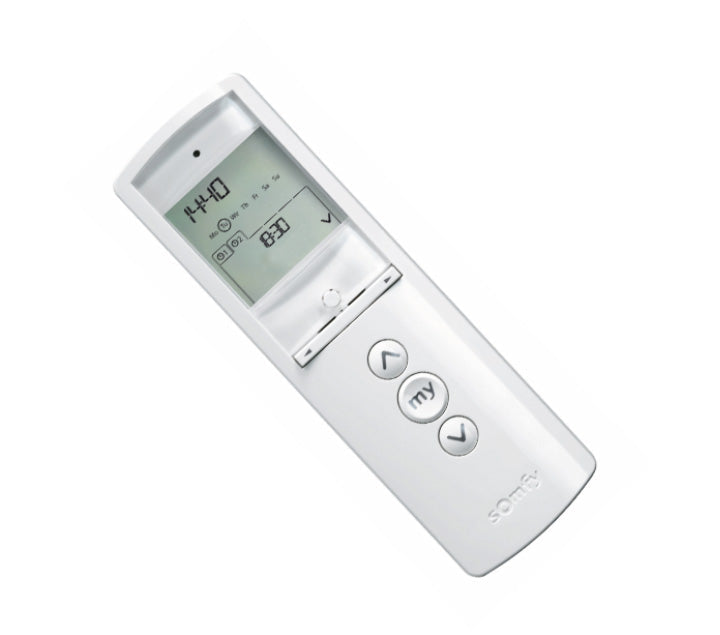
- Motorised blinds controlled by remote or switch. See motorised blinds.
- Spring-assisted and fitted-in-frame designs that do not need a visible cord. See Perfect Fit blinds.
Our child-safe blind choices article compares these in more detail, and the child safety page sets out what we can arrange.
Good habits at home
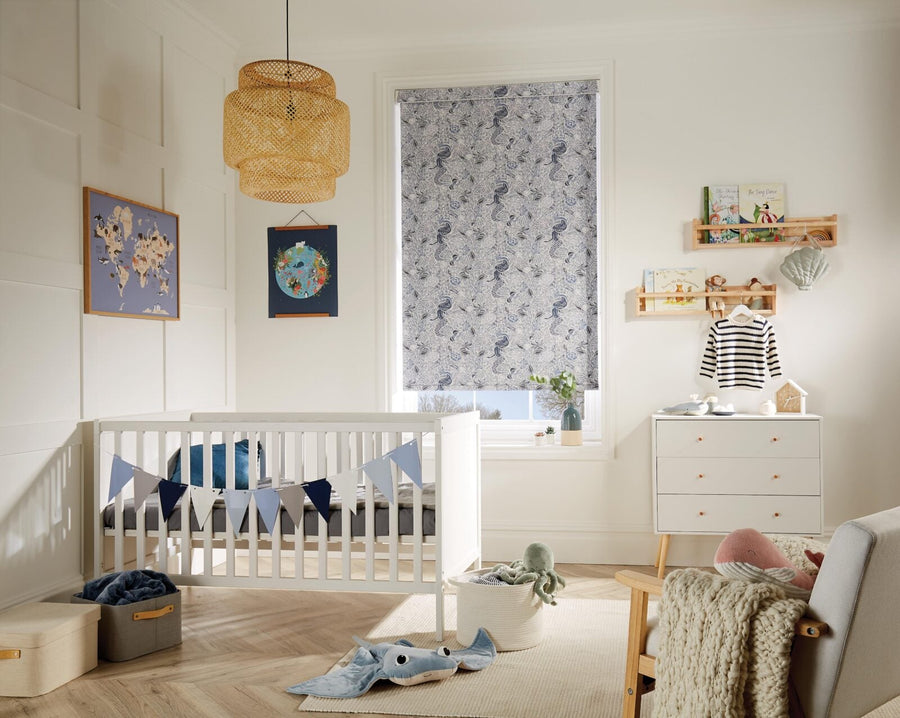
- Keep cots, beds, sofas and furniture away from windows with blinds, so children cannot climb up to the cord.
- Fit and use the safety devices, and check them from time to time.
- Tie cords up neatly so they cannot make a loop.
- Show older children that cords are not toys.
- If you move into a home with existing blinds, give them a quick check. Old blinds may not have modern safety devices, and the person who fitted them may not have left any instructions.
Is every blind covered?
Not everything on sale is the same. A standard describes what is required, so it is worth looking at what you are actually buying and checking the product information. If a blind comes with no safety information, ask questions before you buy. This applies to blinds from any seller, including second-hand or older ones.
What you can ask us
When you arrange a visit, tell us if there are babies, toddlers or visiting children. We can talk about which blind type, which control and where the safety device would go, based on the window you have. Feel free to ask what the product information says about the standard, and we'll happily tell you what is available.
To talk it through at your windows, book a free measure.