How are electric blinds powered?
There are three common routes: a rechargeable battery, a battery topped up by a small solar panel, or a connection to the mains. Which is best for you depends on the position of the window, how often you use the blind and whether wiring is practical. Charging intervals vary too much by product, blind size and usage to promise a number, so we'll explain what changes it instead.
Battery power
A battery motor has a rechargeable pack, either inside the headrail or in a small tube alongside it. When it runs low, you recharge it, usually with a cable that plugs into a standard charger. Some packs can be taken off and charged away from the window, while others need the cable to reach the blind. The benefit is that no wiring is needed, which suits finished rooms, rented homes and any window far from a socket. The cost is that you have to remember to recharge it, and a heavy, wide blind used several times a day will drain it sooner than a small one used occasionally.
Solar power
A solar panel sits on the window ledge, on the glass or outside, and trickle-charges the battery from daylight. It reduces or removes the need to plug in a charger. It works best on a bright window with regular daylight. A shaded window, long dull spells or a panel angled away from the light will mean less charging. It is a convenient choice for roof windows and conservatories that get plenty of light, but check the maker's guidance on whether the panel keeps up with your usage. See motorised blinds.
Mains power
A mains blind is connected through a cable, either directly to a fused supply or through a transformer that reduces it to low voltage. You do not need to charge anything, and power is constant, so it suits blinds used often, large blinds and blinds in a hard-to-reach spot where you do not want to climb up to recharge. The drawback is wiring. In a new build or during renovation, cables can be hidden easily. In a finished room, it may involve chasing into plaster or using surface trunking. A qualified electrician should make mains connections.
What affects battery life
- Size and weight. A larger or heavier blind needs more energy to move.
- How often it moves. A blind raised and lowered daily uses more than one adjusted now and then.
- Smart routines. Frequent automatic movements add up.
- Temperature. Batteries often perform less well in very cold conditions, such as an unheated conservatory.
- Battery age. Rechargeable packs lose capacity over time.
How to compare them
- Wiring needed: none for battery and solar, yes for mains.
- Things to remember: recharging for battery, little or nothing for solar and mains.
- Best for: finished rooms and rentals (battery), bright windows (solar), heavily used or large blinds and new builds (mains).
Choosing what suits you
It can help to ask yourself: how often will you use it, and would you mind recharging it? If the answer is daily and you would mind, mains or solar will be less hassle. If the room is finished and you want something simple, battery is easier. If you have several blinds, a charger and a reminder habit will help, to avoid a row of flat batteries at once.
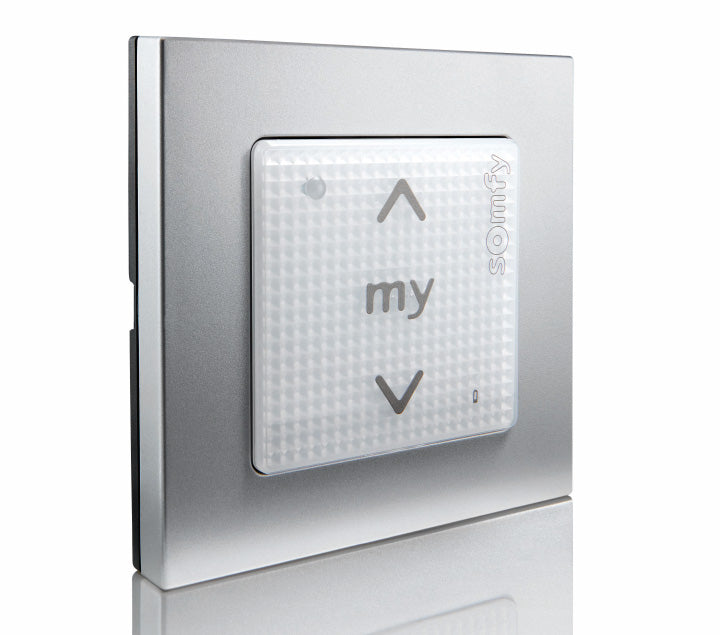
Smart control and bridges also draw a little power, so they can affect how often you need to recharge. Our motorised blind basics guide covers the other parts of the system, and our Somfy motorised blinds page explains the motors used in many blinds. Somfy makes motors, not blinds, so the blind itself comes from a different supplier.
Safety and planning
Motorised blinds remove loose operating cords, which helps in homes with children. See our child safety guidance. If you plan to build or renovate, it can help to ask your electrician to leave a spur by the window before the walls are closed. It costs little at that stage and keeps your options open.
Tell us about the window, how you use it and whether a socket is close. We'll talk through which power option suits and what to ask the maker for.
Book a free measure
If you would like a second pair of eyes on the window, book a free measure and we'll talk it through with you at home, with the actual glass in front of us. Or call us on 01642 424250.