Why windows feel cold
There are two separate problems that feel alike. One is a draught, where cold air actually leaks through gaps in the frame, a letterbox-style seal or a worn hinge. The other is radiated chill, where glass is colder than the walls, so you feel cooler near it. Blinds and curtains help a bit with the second and only a little with the first, so it can help to work out which you have.
Check for a draught first
- Hold the back of your hand near the edges of the frame on a windy day.
- Look for worn rubber seals, gaps around the handle and loose beading.
- Check the window is closing fully. Hinges can drop over time.
If cold air is leaking in, a good first step is to look at the seal. A blind will take the edge off the chill but cannot properly seal a gap. A glazier is the person to ask about window repairs, and sorting that out first means your blinds and curtains can do their best.
Layers work well together
For a cold window, a helpful approach is more than one layer.
Layer one: a blind close to the glass
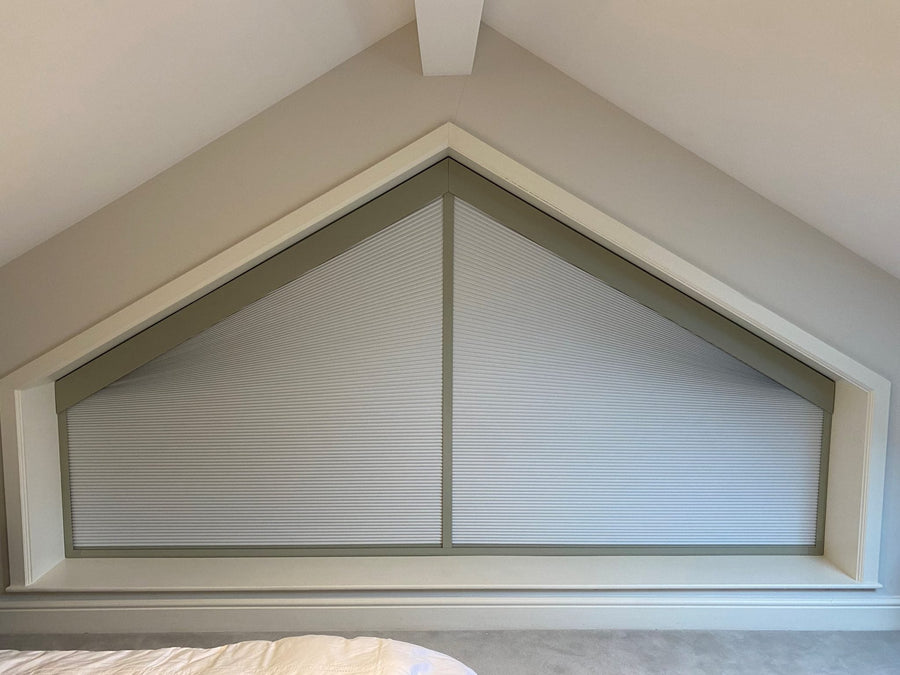
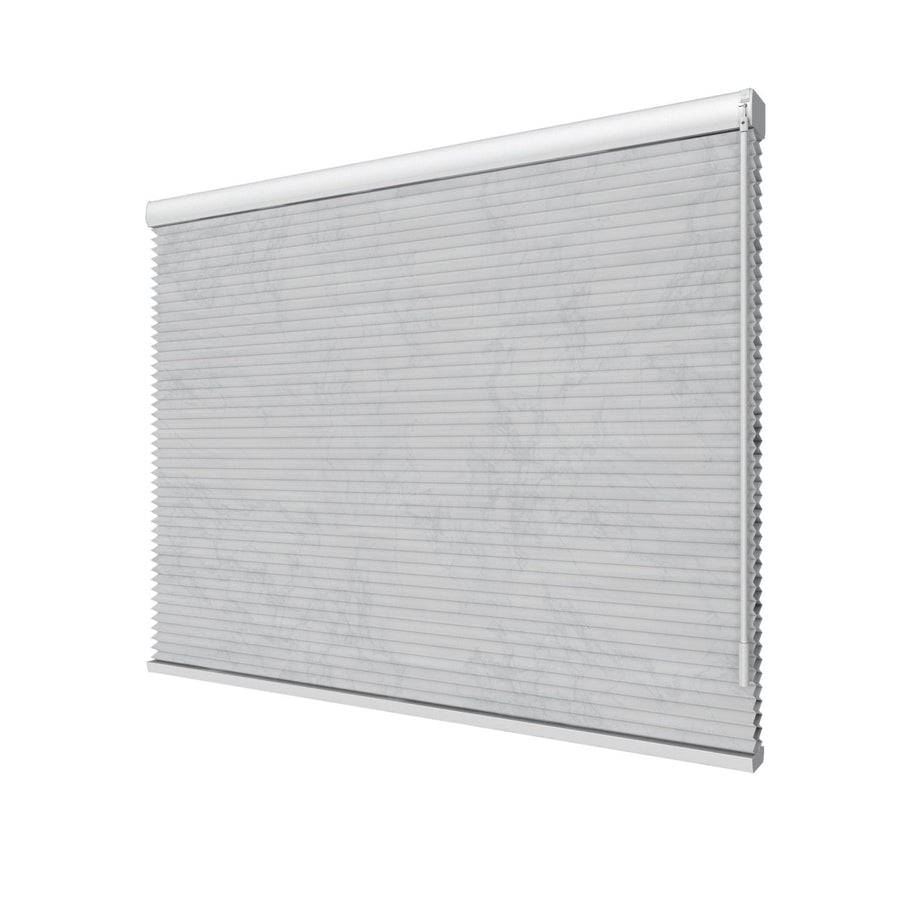
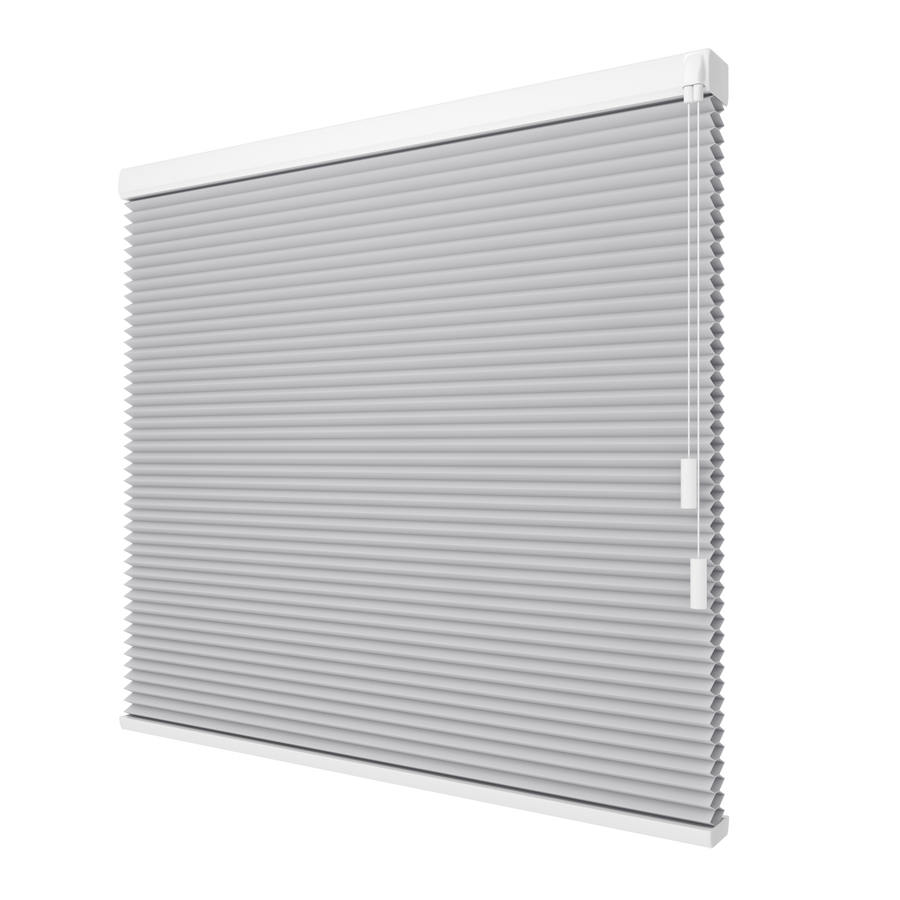
A blind close to the window holds a thin pocket of still air. A cellular blind has air trapped within the fabric itself, which is why it is often chosen for cold rooms. A snug roller also helps if the fabric is dense. Our article on thermal blinds explains what to expect, including why we stay realistic about savings on bills.
Layer two: curtains over the top
Thick, lined curtains that reach the sill or the floor trap another layer of air and cover the whole window and frame. In many rooms this combination is the most comfortable. Curtains hung over a radiator, though, can trap heat behind them and push it towards the window, so letting them finish above the radiator, or using short curtains over heating, works nicely.
Layer three: seal what you can
Draught strips, a draught excluder at the bottom of a door, and sealing gaps with a suitable filler all make a difference. They are simple and relatively quick.
How to use them day to day
- Open blinds and curtains on sunny winter days, letting the glass bring in free warmth.
- Close them as the light fades, before the room cools.
- Try keeping curtains tucked in, not spread over the sill, so warm air has somewhere to stay.
- Keep radiators clear of blinds and long fabric.
- Run the blind down fully on very cold nights.
Where condensation fits in
Cold glass can gather condensation, particularly in bedrooms and kitchens. Closing a blind over wet glass overnight can trap moisture next to the fabric. Opening the window a little or ventilating briefly in the morning, wiping the glass and keeping an eye out for mould or marks on the fabric all help. Faux wood and wipeable fabrics cope better with damp than some soft ones. See wood and faux wood if you're comparing.
Bedrooms, bays and doors
- Bedrooms: a dense or blackout fabric plus a curtain gives both warmth and darkness. See bedroom light control.
- Bay windows: the glass area is large, so a layered approach is worth thinking about.
- Patio and French doors: large glass and a door seal make these big sources of cold. A thick curtain on a track is often practical, and some people also use a blind.
What to expect
Blinds and curtains work alongside double glazing rather than replacing it, and we like to keep expectations realistic. What they give you is a modest, welcome boost in comfort, and we are always happy to explain what to expect.
A useful next step
If you're not sure which combination will suit, we can look at your windows with you and talk about cords, fabric, fit and whether the frames need attention first. Book a free measure and ask us what we would put in front of your coldest window.