Two different things to think about
Glare is about comfort. It is the bright patch on the television, the squint at the laptop, the kitchen that is too bright to sit in at breakfast. Fading is about materials. It is the slow change in colour of fabric, wood, flooring and print that sits in strong light for years.
Blinds can reduce both, but they are not the same fix. A blind that tames glare may still let plenty of light through, and a blind that blocks more light may make a room feel gloomy. It helps to know which one you are solving.
Start with which way the window faces
You do not need a compass to get a sense of this. Notice when the sun hits the window.
- Morning sun. Low and bright, which can reach deep into a room. Common in east-facing bedrooms and kitchens. Glare is the main trouble.
- Midday and long daylight hours. A south-facing window gets sun for much of the day, which means more fading risk for what sits near it.
- Evening sun. Low and warm, and it shines straight at faces and screens. Common on west-facing living rooms and conservatories.
- Mostly shade. North-facing windows rarely need a sun solution, so privacy and style can lead.
Low sun is the trickiest because it comes in under the top of the window and sideways, where a blind that sits flat may not catch all of it.
Which blinds help, and how
For glare without gloom
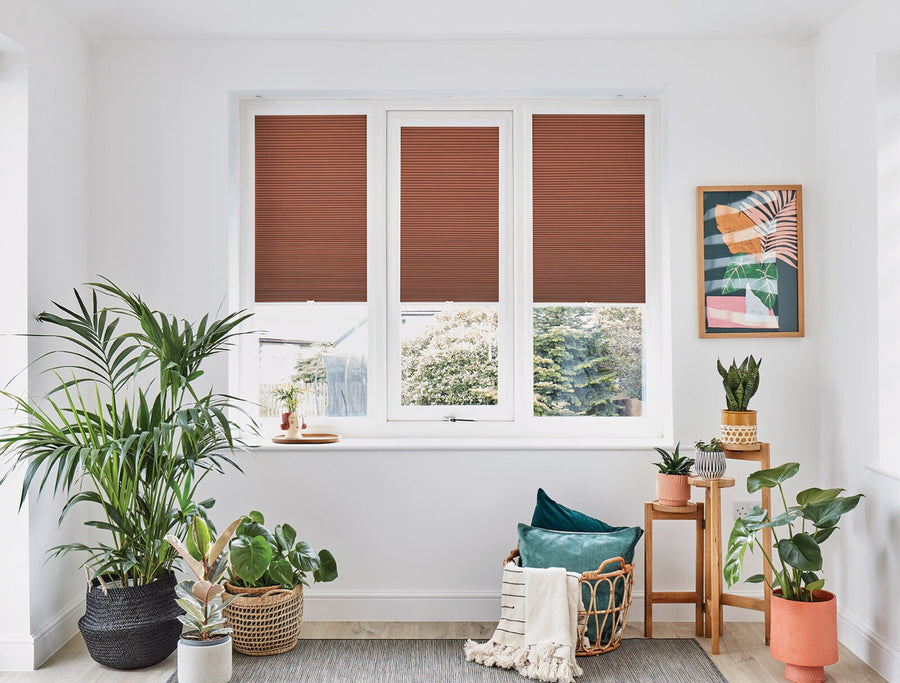
Fabrics that filter light soften the brightness but keep the room lit, and some also keep a view out during the day. Roller and vertical blinds both come in these fabrics, depending on the range. Our guide to choosing blind fabrics explains the differences between screen, filtering, dim-out and blackout.
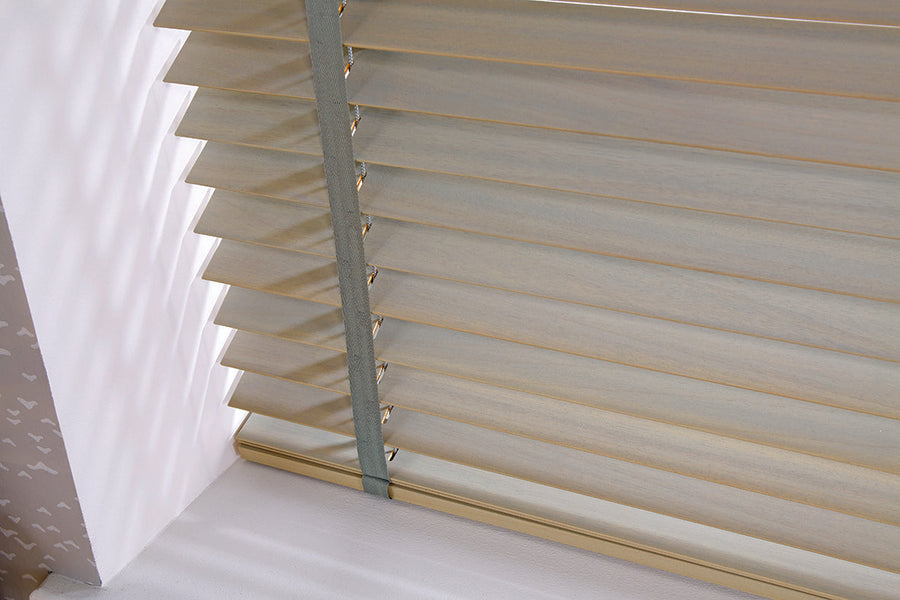
Slatted blinds, such as venetian and wooden blinds, let you tilt the slats to bounce glare up to the ceiling while keeping the room light. That adjustability is useful when the angle of the sun changes through the day.
Vertical blinds suit tall or wide windows with low side sun, as the vanes can be turned to suit the angle.
For reducing what the sun does to furniture
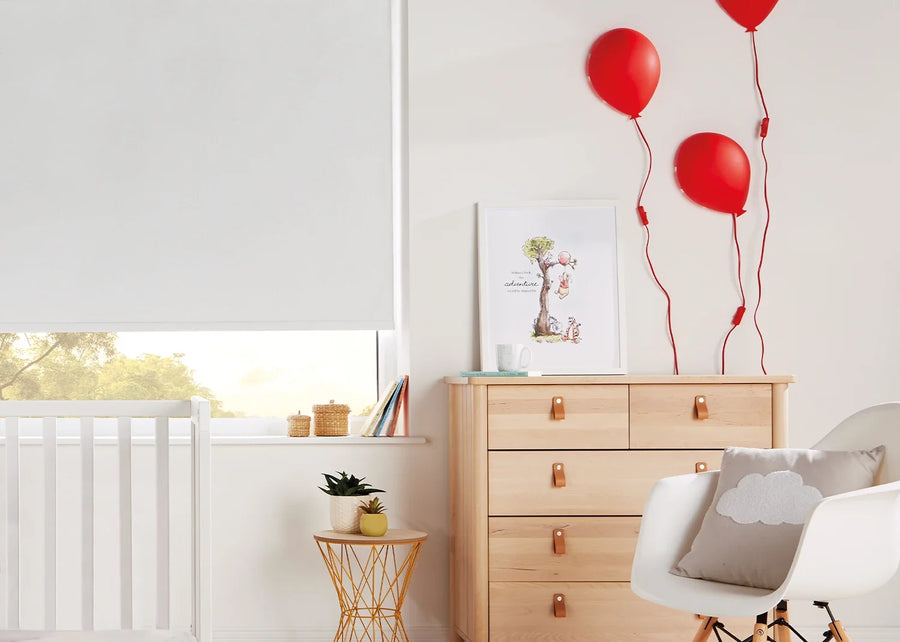
Denser fabrics let less light into the room, and that generally helps slow fading of whatever sits in the sun. Light colours on the window side tend to reflect more than dark ones. It is worth knowing that no blind can guarantee protection, and the effect depends on the fabric, the colour, how often the blind is closed and what is behind it.
For screens and workspaces
If glare is hitting a monitor, a blind that you can adjust partway matters more than one that blocks everything. Our home office blinds guide goes into desk positions and angles.
A blind is part of the answer
Fading and glare depend on several things at once.
- Glass. Some modern glazing already reduces sunlight. Newer and older windows behave differently, so it is worth checking what yours does.
- Position. Moving a sofa, rug or picture out of the strongest beam is often as effective as any blind.
- How you use the blind. A blind only helps when it is closed. If you tend to leave it open all day, a motorised or easy-to-use option can help you make the most of it. See motorised blind basics.
- Material. Dark fabrics, wood, leather and natural fibres all respond to light differently, and some change faster than others.
What to watch for on the blind itself
Blinds are also in the sun, so they age too. A fabric that sits fully raised in the sun for long periods might change tone differently from the area that is normally shaded. Wooden blinds may lighten unevenly. If you use a blind daily, wear tends to be even. If the blind is mostly raised, it helps to lower and raise it from time to time. Our guide to looking after wooden blinds has more on this.
Questions worth asking before you order
- Which fabric options reduce glare but still let some daylight in?
- Does a lighter or darker colour work better on this window?
- Will I need a blind that can sit close to the glass to stop side light?
- Would a second layer, such as a blind and a curtain, make more sense here?
- If the window is a conservatory or roof window, what are the options for a sloping or overhead position? See conservatory blinds and roof blinds.
Seeing it in your own room
The sun in your room at 4pm in October is not the sun in a showroom, which is one reason a visit at home is useful. We can look at the window, the room and what is taking the brunt, then explain what a given fabric would and would not do. Book a free measure and ask us to look at the glare problem as well.